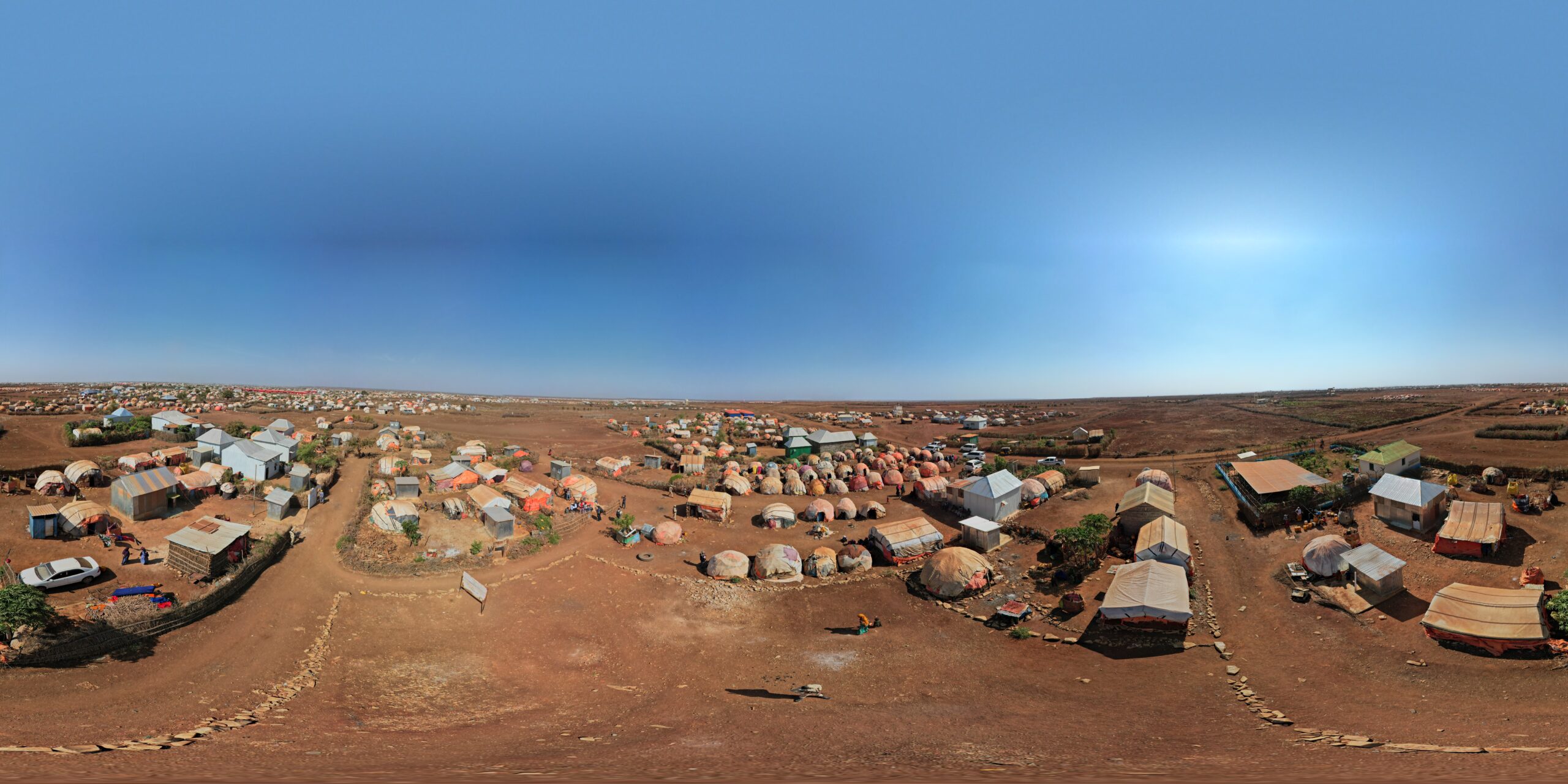
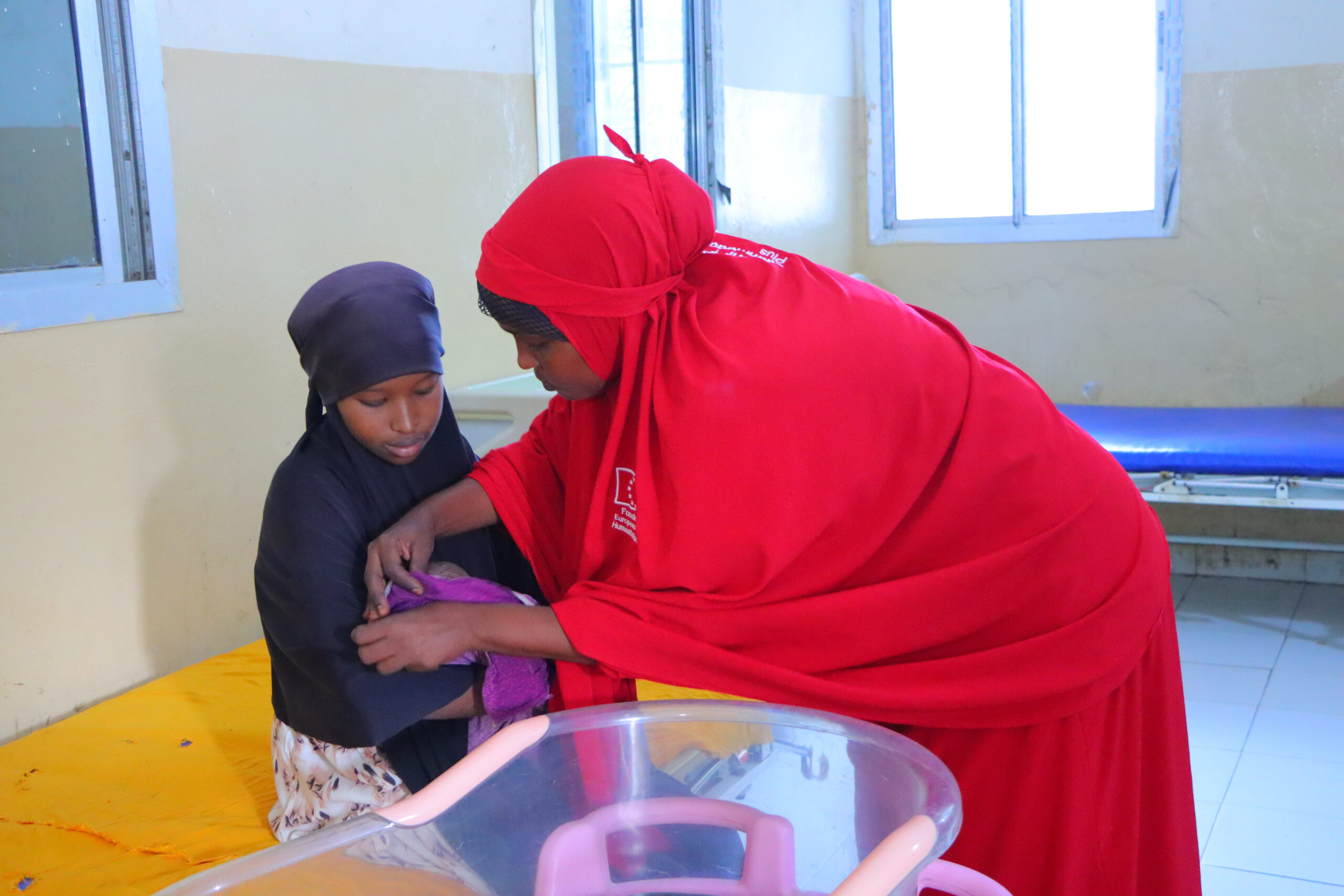
Juba Foundation continues to strengthen maternal and child health outcomes among internally displaced populations in Afgoye, Lower Shabelle, through targeted Infant and Young Child Feeding (IYCF) interventions. These efforts are part of ongoing humanitarian programming supported by EU Humanitarian Aid (ECHO) under the Caafimaad Plus Consortium.
In displacement settings, limited access to accurate health information and essential services often exposes mothers and infants to preventable health risks. Harmful feeding practices—such as the early introduction of water or complementary foods—remain common and significantly increase the likelihood of malnutrition and waterborne diseases among infants.
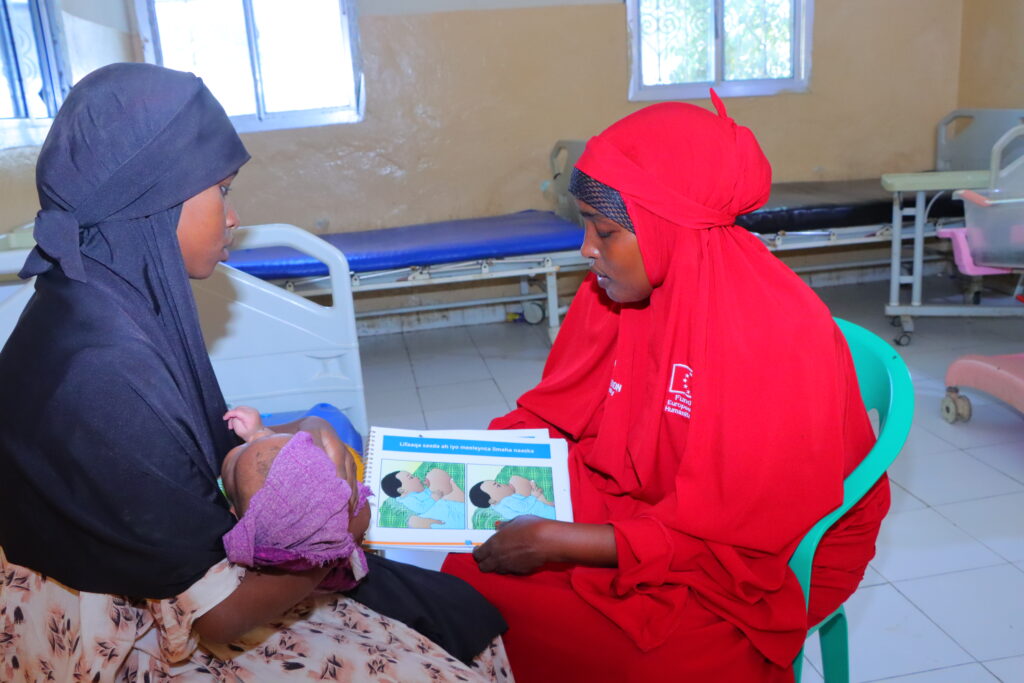
To address these challenges, Juba Foundation deploys Community Health Workers to identify vulnerable pregnant and lactating women within IDP settlements and link them to health facilities for specialized care. At these facilities, beneficiaries receive structured IYCF counseling, focusing on evidence-based practices that promote child survival and healthy development.
Key components of the IYCF program include:
- Promotion of early initiation of breastfeeding within the first hour after birth
- Support for exclusive breastfeeding during the first six months
- Practical demonstrations on proper breastfeeding techniques, including positioning and attachment
- Awareness on maternal nutrition and hygiene practices
These interventions are critical in a context where high levels of acute malnutrition persist. In Lower Shabelle, many children remain at risk due to a combination of food insecurity, poor infant feeding practices, and limited access to safe water and healthcare services.
Program monitoring indicates that mothers who participate in IYCF counseling demonstrate improved knowledge, increased confidence, and stronger adherence to recommended feeding practices. This contributes to better child health outcomes, including improved weight gain and reduced exposure to preventable illnesses.
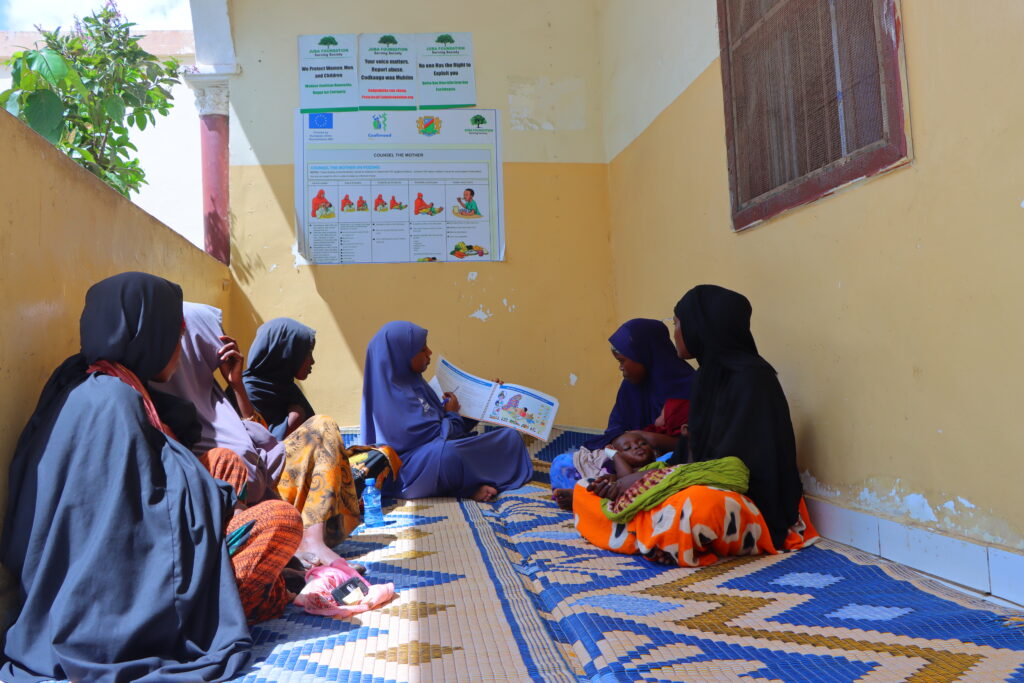
According to Mariam Mohmed Abdirahman, IYCF Officer, “Promoting optimal Infant and Young Child Feeding practices is one of the most effective strategies for preventing malnutrition and protecting children from disease. Through continuous community engagement and counseling, we are empowering mothers with the knowledge and skills needed to care for their children.”
The integration of IYCF within emergency health and nutrition programming is a key component of Juba Foundation’s approach. While stabilization centers provide treatment for children suffering from severe malnutrition, IYCF interventions focus on prevention—ensuring that children remain healthy after discharge and reducing the risk of relapse.
By prioritizing maternal education and community-based support, Juba Foundation is contributing to a sustainable model of care that strengthens household-level practices and promotes long-term resilience among affected populations.
Through these efforts, Juba Foundation reaffirms its commitment to improving child survival, enhancing maternal capacity, and supporting healthier communities across Somalia.